Damp and condensation
Why homes get wet windows and damp walls, how to tell which kind of damp you have, and how to fix it.
Most damp in UK homes is condensation, and you can fix it yourself. Two signs it might be something else:
- a tide mark or band of damp up to about a metre from the floor, which can mean rising damp
- a patch that grows after rain, which usually means water is getting in from outside
Both need a repair. How to tell the types of damp apart.

Find the cause
-
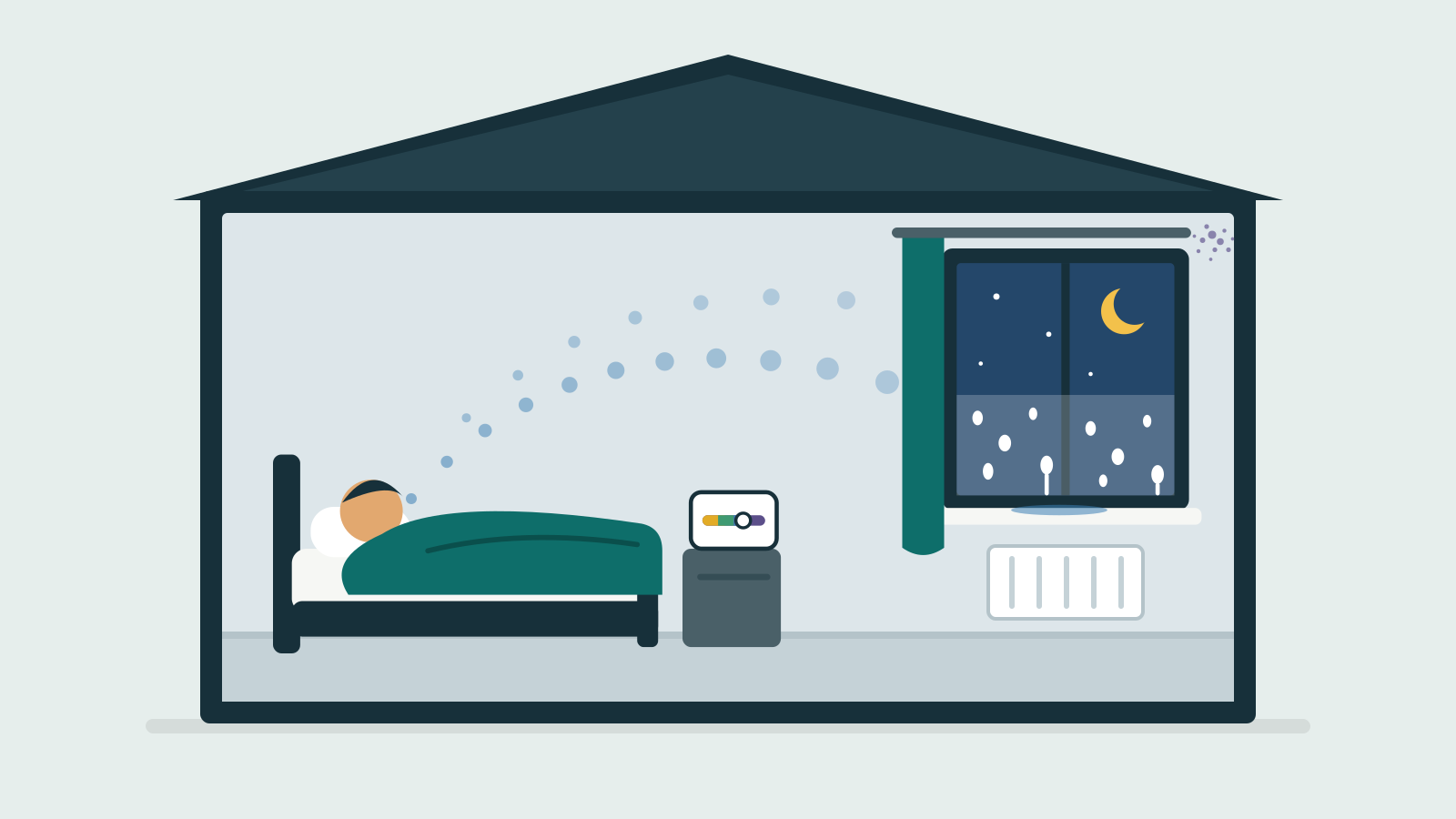 Why are my windows wet every morning?
Morning condensation means warm, moist air is meeting cold glass. What causes it and how to stop it.
-
 How to dry clothes indoors without causing damp
A load of washing releases litres of water into the air. How to dry clothes inside without wet walls or mould.
-
 Damp in a rented home: what your landlord must fix
Who is responsible for damp and mould in a rented home in England, what to ask for, and what to do if nothing happens.
-
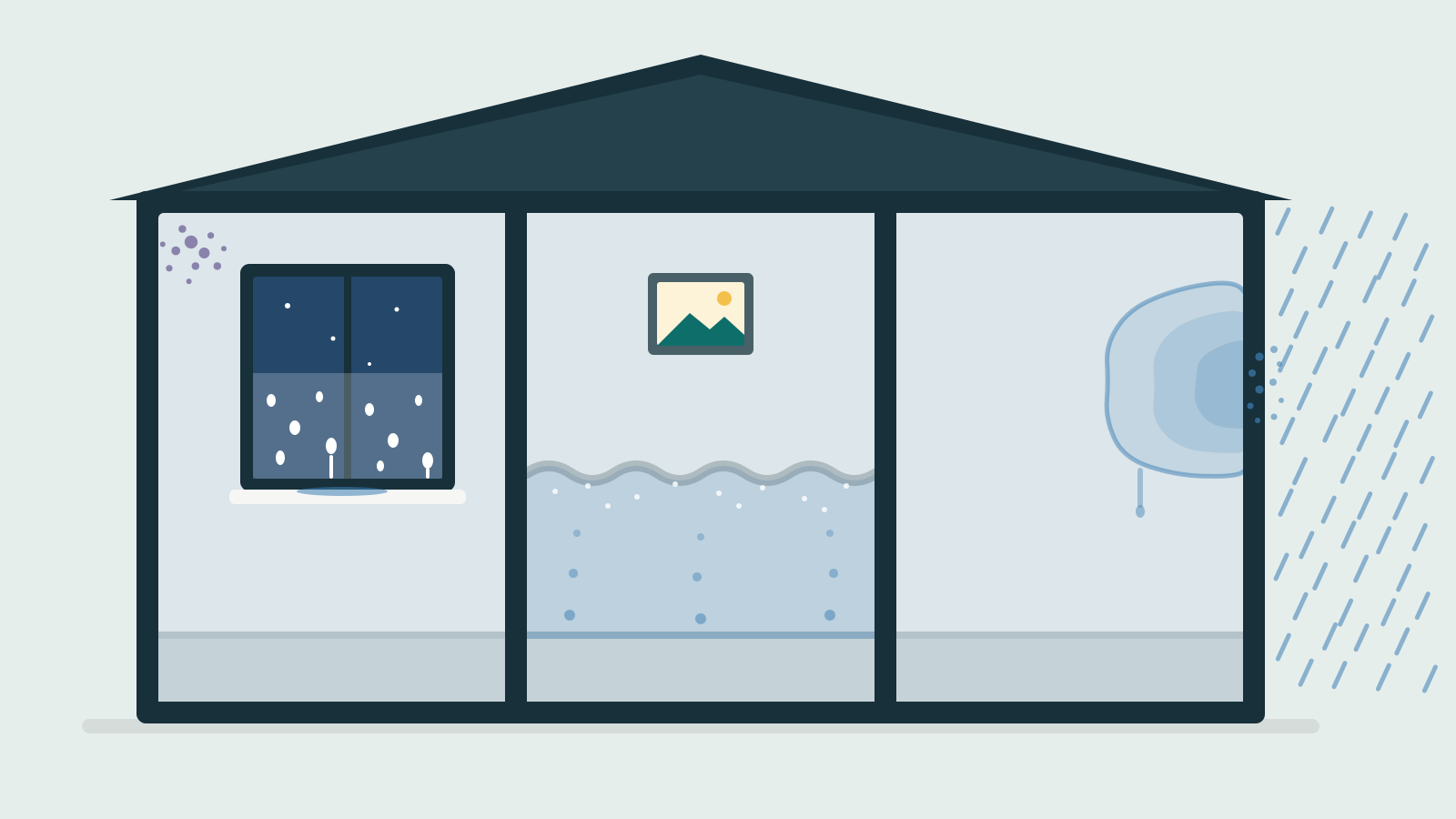 Condensation vs rising damp vs penetrating damp
How to tell the three kinds of damp apart from where they appear and how they behave, and which one you can fix yourself.
-
 What is the ideal humidity in a UK home?
The humidity range that keeps a home comfortable and mould-free, and how to measure and control it.
-
 How to stop condensation inside your car
Why car windows mist up and stay wet, and the quick fixes and longer-term ones that stop it.
Calculators and running costs
-
What size dehumidifier do I need?
Answer four questions about your home and get the dehumidifier size and type that suits it, with what it will cost to run.
-
Humidity and mould risk checker
Enter your room temperature and humidity to see your mould risk and the temperature at which walls and windows start to get wet.
-
Dehumidifier running costs: popular models compared
What each popular dehumidifier costs per hour and per month at the current price cap, from its rated power.
-
Dehumidifier noise and capacity table
Every model we list, with its extraction rate, tank size, noise level and power, in one sortable table.
Buying guides
-
 Compressor vs desiccant dehumidifier: which do you need?
Compressor models are cheaper to run in a heated home; desiccant models work better in cold rooms. How to choose.
-
 Best dehumidifier for drying laundry
What makes a dehumidifier good at drying clothes, and the models whose specs suit it best.
-
 Best quiet dehumidifier for bedrooms
Which dehumidifiers are quietest by their rated noise level, and what to look for if you need one running overnight.
-
 Best dehumidifier for garages and unheated rooms
Why most dehumidifiers struggle in the cold, and which types keep working in garages, sheds and unheated rooms.
-
 What is a hygrometer, and which one should you buy?
A hygrometer measures how damp the air is, so you can act before mould appears. What it tells you, where to get one, and which to buy.
-
 Best window vac for condensation
A window vac clears morning condensation off the glass and sill. What to look for and which models suit it.
-
 Best bathroom extractor fan
What size and type of extractor fan clears steam properly, and when you need an electrician to fit one.