Check it's safe to do it yourself
Government guidance for England on damp and mould says tenants can usually deal with very small amounts of mould using a mould and mildew cleaner, and that larger areas should only be tackled by qualified professionals. It doesn't set an exact size. If you're not sure your patch counts as very small, or it has spread across a ceiling or behind wallpaper, get help.
Leave it to someone else, or call in a professional, if:
- the patch is large, or there are patches in several rooms
- it has come back more than once after cleaning
- the plaster underneath is wet, crumbling or bubbling
- it appeared after a leak, or sits low on the wall in a tide mark
- you have asthma, a lung condition or a weakened immune system
If you rent, take photos of the mould before you clean it and report it to your landlord or housing association in writing. The photos help show where it was and how bad it got. Read what your landlord must fix before you start.
How to clean mould off a painted wall
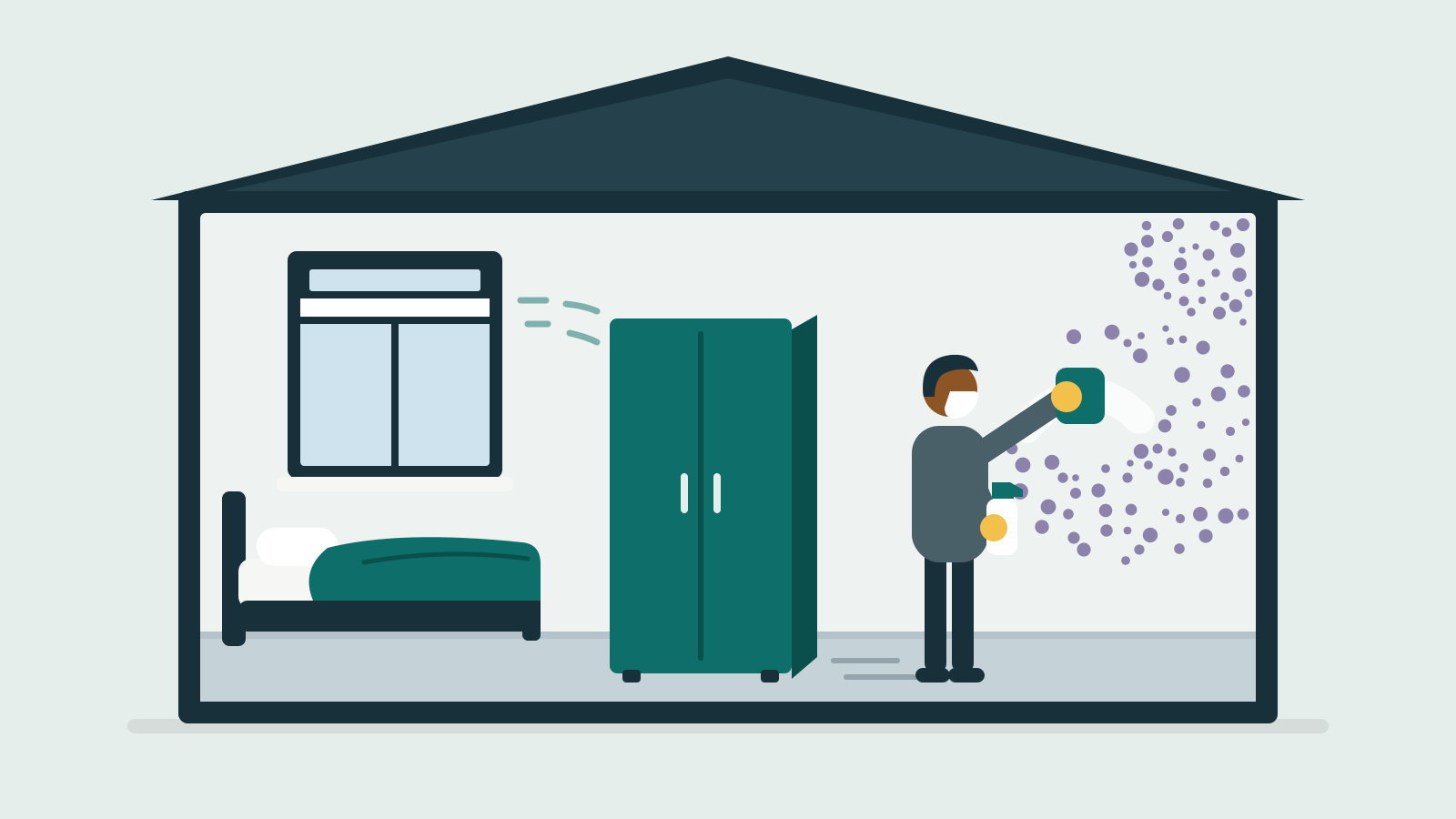
- Shut the door to the rest of the house and open the window, so spores and fumes go outside instead of into other rooms.
- Put an old towel or dust sheet along the skirting to catch drips, and move furniture away from the wall.
- Don't brush, vacuum or dry-wipe the mould first. That puts spores into the air.
- Spray the patch and a margin of clean-looking wall around it, as the label directs. Mould often spreads further than you can see.
- Leave it for the time on the label, then wipe it off with a damp, disposable cloth. Put the cloth in a bag, tie it and bin it.
- Repeat once if a dark stain is still there when the wall has dried, following the label again.
- Let the wall dry completely with the window open and the heating on low. Then wash the clothes you wore and the gloves, if they're reusable.
Should you use bleach?
The government guidance says mould and mildew products should be used in preference to bleach, for health and safety reasons. Household bleach is an irritant, and it can mark coloured paint and fabric. If a product you already have contains bleach, use it only as its label says, with the window open, and never alongside another cleaner.
Which kind of mould remover suits which surface.
Why mould grows where it does
Black mould on walls is almost always a sign that the surface stays damp for long periods. Indoors, the usual cause is condensation: warm, moist air from cooking, showers, drying washing and breathing reaches a cold wall and leaves water on it.
That's why it shows up in the same places in most homes:
- the corners of outside walls, especially where they meet the ceiling
- behind wardrobes, beds and sofas pushed against an outside wall
- around windows, where the wall is cold and water runs off the glass
- bathrooms and kitchens without a working extractor fan
Cleaning removes what you can see, but the government guidance is clear that removing surface mould on its own won't stop it reappearing. The damp has to go too.
Mould risk checker Put in the room's temperature and humidity to see whether its walls are cold enough for mould to grow.How to stop it coming back
- Let the steam out. Run the extractor fan when you cook or shower and for a while after, or open a window with the door shut.
- Open trickle vents at the top of the windows and leave them open through the winter.
- Pull furniture a little way off outside walls so air can move behind it and keep the wall warmer.
- Keep a low, steady heat in cold rooms instead of letting them go cold for days.
- Dry washing in a way that doesn't load the air with water. How to dry clothes indoors without causing damp.
- Measure the humidity and run a dehumidifier if it stays high. The humidity range to aim for.
Products for the job
Chosen by type and specs. We haven't tested them; the reasons say why each one fits.
For cleaning a painted wall
Ecozone Anti-Bacterial Mould Remover
- Type
- Bleach-free spray
- Size
- 500ml
A bleach-free mould and mildew spray, the kind of product the government guidance prefers over bleach. It comes in a 500ml bottle. The maker lists sealant, grout and window sills rather than painted walls, so check the label and try it on a hidden patch of paint first.
For repainting once the wall is dry
Siramico Coatings Anti-Mould Paint
- Type
- Anti-mould paint
- Size
- 1 litre
Anti-mould paint makes it harder for mould to settle on that patch again. It won't fix the damp behind it, so use it after you've dealt with the cause. It comes in a 1 litre tin; check the coverage on the label against the size of your wall.
When it isn't condensation
A damp patch that grows after rain, a tide mark low on the wall, or wet plaster with no mould on it can mean rising or penetrating damp. Both need a repair, and cleaning won't help for long. How to tell the types of damp apart.
Sources
- GOV.UK: Understanding and addressing the health risks of damp and mould in the home
- NHS: Can damp and mould affect my health?
- NHS: When to use NHS 111
- UK Health Security Agency: Sodium hypochlorite (bleach), general information
- South Oxfordshire District Council: How do you treat mould affected areas?
- Manchester University NHS Foundation Trust: Damp and mould leaflet (December 2025)
Checked 15 October 2026.