Why the windows mist up
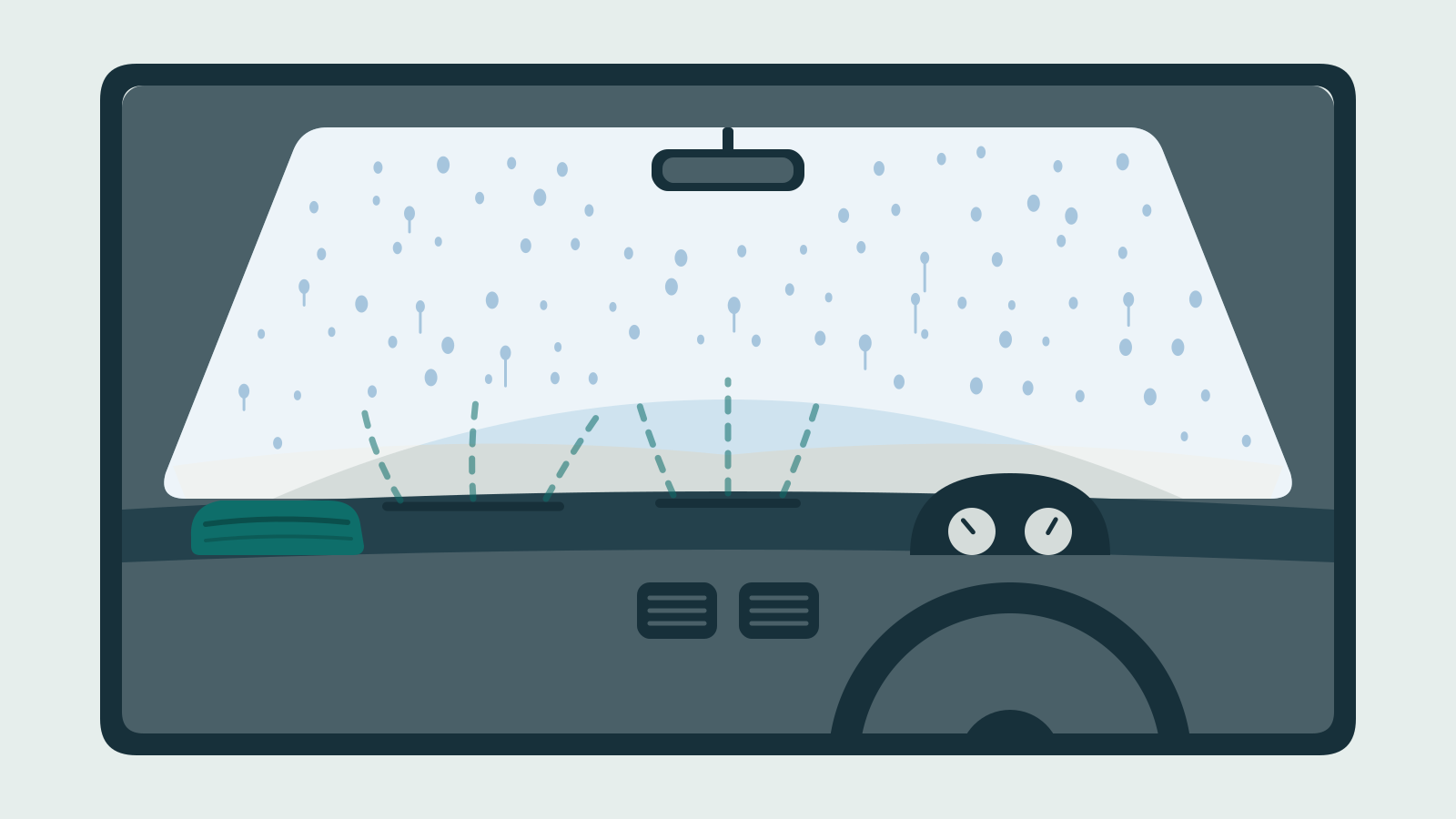
It is the same process as wet windows at home, in a much smaller space. Every breath adds water vapour to the air in the car, and so do wet coats, umbrellas and shoes. When that air touches glass that is colder than its dew point, the water comes out as a fine mist.
A car fills up with moisture quickly because there is so little air inside it. With two or three people in the car on a cold, wet day, the windscreen can mist over within a few minutes of setting off.
How to clear it quickly
- Start the engine and set the blower to the windscreen, on full fan.
- Switch the air conditioning on, even in winter, with the temperature turned up. The air con dries the air before the heater warms it, so it clears the glass much faster than heat alone.
- Turn recirculation off so the car draws in fresh air from outside. Recirculating keeps the same damp air going round.
- Switch on the heated rear window and heated mirrors, if you have them.
- Open a window a little for the first minute or two if it is still slow to clear, to let the damp air out.
- Wait until every window is clear before you drive. The Highway Code says to make sure the windows are demisted thoroughly before you set off, so don't drive off peering through a small clear patch.
Avoid wiping the glass with your hand or a sleeve. It leaves greasy smears that mist up again faster and scatter light from oncoming headlights. Keep a clean microfibre cloth in the glovebox for emergencies.
Why it keeps coming back
If the windows are streaming every morning, even when nobody has been in the car overnight, the moisture is coming from inside the car itself. Common causes:
- Wet floor mats, from rain and snow on your shoes, which slowly dry out into the cabin overnight.
- Wet carpet under the mats, which can stay damp for weeks once it soaks through.
- A leak from a worn door or boot seal, a blocked sunroof drain, or blocked drains under the scuttle panel at the base of the windscreen.
- A clogged cabin (pollen) filter, which cuts the airflow through the vents and slows demisting.
- Dirty glass on the inside. Condensation forms on the film of grime more easily than on clean glass.
How to stop it for good
- Take the mats out and dry them indoors after a wet day, and feel the carpet underneath. If it is damp, leave the car somewhere dry with the windows open a little, or dry the carpet with an old towel pressed down hard.
- Clean the inside of the glass with a glass cleaner and a microfibre cloth, then buff it dry with a second cloth.
- Don't leave wet things in the car overnight: coats, umbrellas, gym kit or dog towels.
- Run the air con for a few minutes once a week in winter. It keeps the system working and dries the air in the cabin.
- Check when the cabin filter was last changed, in your service book, and have it replaced if it is overdue.
- Use a reusable moisture absorber, such as a silica gel bag left on the dashboard or under a seat. It soaks up some of the moisture overnight and can be dried out again at home, following its instructions. It helps with everyday damp but can't keep up with a leak.
When to get it looked at
If the carpet is soaked, water collects in a footwell or the boot, or the car smells musty, there is a leak that drying alone won't fix. A garage can check the door and boot seals, the sunroof and scuttle drains, and the heater system. Leaving it risks mould in the carpets and seats, and water getting into wiring that runs under the carpet.
If your windows at home are wet every morning too, see why it happens and how to stop it.
Sources
- The Highway Code, rule 229: before you set off in adverse weather (gov.uk)
- The Highway Code, rule 123: the driver and the environment (gov.uk)
Checked 14 October 2026.