Why it happens at night
Air can only hold so much water vapour, and how much depends on its temperature. Warm air holds more than cold air. The temperature at which a given batch of air can't hold its water any longer is its dew point.
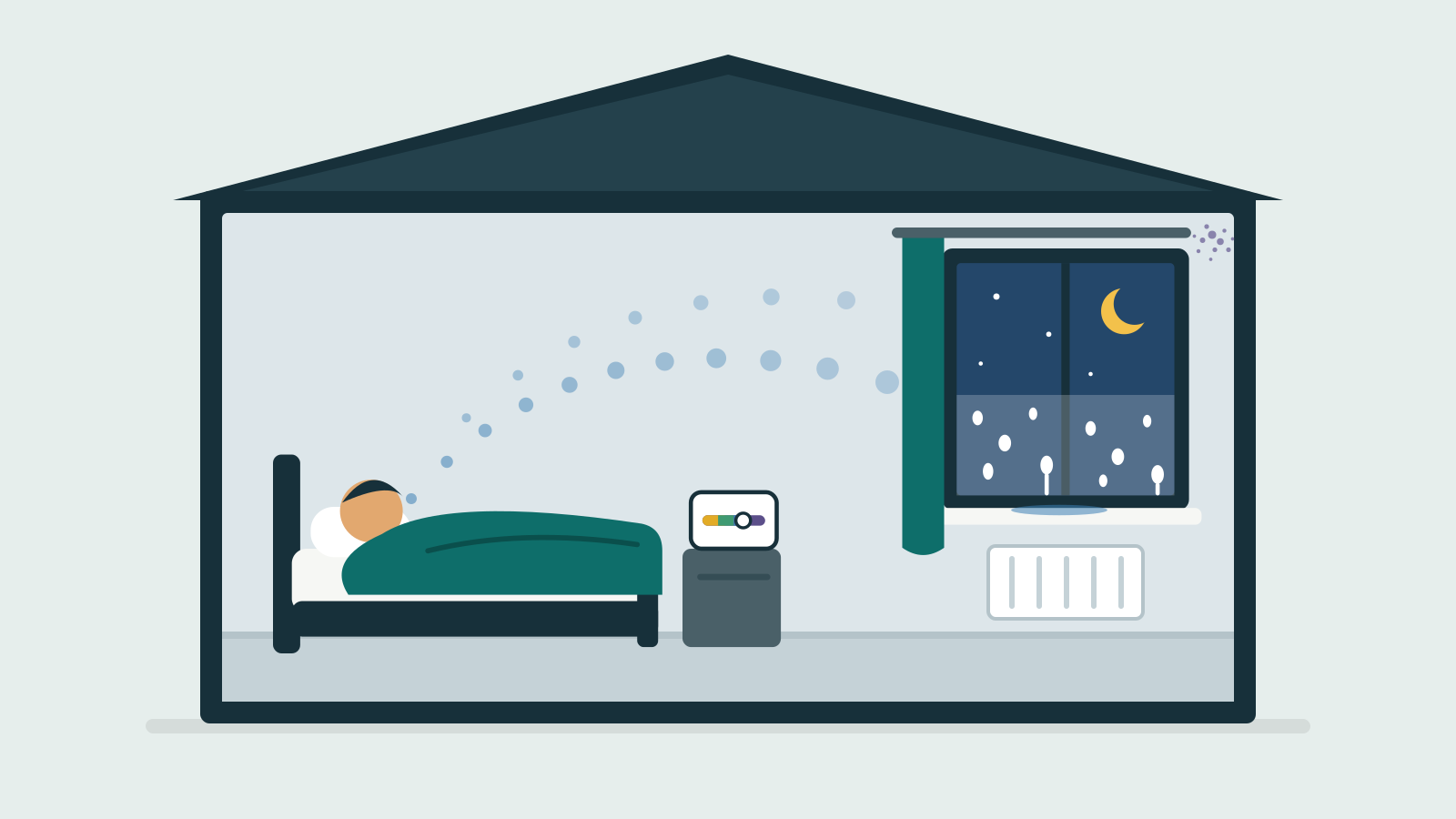
In a bedroom at night three things line up. The door and windows are shut, so the moisture from two people breathing for eight hours has nowhere to go. The heating is often off or low, so the room cools. And the glass is the coldest surface in the room, because only a pane or two separates it from the outside. The air touching the glass drops below its dew point first, and that is where the water collects.
Single glazing, old double glazing that has lost its seal, and metal frames all run colder than modern glazing, so they get wetter. North-facing rooms that never get sun on the glass are usually the worst.
Is it a problem?
A light mist that clears by mid-morning is normal in a UK winter. It becomes a problem when:
- water runs down and pools on the sill or soaks into wooden frames
- black spots appear on the window seals or the rubber gaskets
- the walls around the window, or in the corners of the room, feel cold and damp or start to darken
- the room smells musty
Those are signs that the room's humidity is high enough, for long enough, for mould to grow. Mould needs damp surfaces, and wet glass is usually the first one you see.
Mould risk checker Put in your bedroom's temperature and humidity to see how close it is to the point where mould grows.How to stop it
Work down this list. The first few cost nothing.
- Wipe the glass and sills every morning. Use a cloth or a window vac and wring it out down the sink, not over the radiator. Water left on the frame soaks in or evaporates back into the room.
- Open the trickle vents at the top of the window frame, if you have them, and leave them open all winter. If you don't, open the window a crack for 10 to 15 minutes after you get up.
- Keep the bedroom door open at night if you can, so moisture spreads into the rest of the house instead of concentrating in one cold room.
- Don't dry washing in the bedroom. A load of wet clothes releases far more water than a night's breathing.
- Keep the room from getting very cold. A low, steady background heat keeps the glass and walls warmer than heating the room hard for an hour and then letting it drop.
- Pull curtains and blinds back from the glass during the day, and don't trap them against the window at night. Air behind a closed curtain gets very cold and very damp.
- Run a dehumidifier if the room still reads above 60% humidity once the steps above are in place.
Tools that help
You don't need to buy anything to start. These are the two products that make the daily routine quicker or deal with a room that stays damp.
For clearing the glass each morning
Kärcher WV 2 Plus N
- Type
- Cordless
- Tank
- 100ml
- Battery
- 35 minutes
A window vac sucks the water off the glass into a tank, so it goes down the sink instead of into a cloth. This one is rated to run for 35 minutes on a charge.
For a bedroom that stays damp
MeacoDry ABC 10L
- Type
- Compressor
- Extraction
- 10 litres a day
- Power
- 198W
- Noise
- 36dB
- Tank
- 2.6 litres
- Cost per hour
- 5.2p
- Laundry mode
A small compressor dehumidifier suits a heated bedroom. This one draws 198W, among the lowest of the models we list, so it is cheap to run in the day with the door shut. Switch it off at night.
When the windows aren't the real problem
If the walls themselves are wet, if there is a tide mark low on the wall, or if a damp patch grows after rain, the water may not be condensation at all. That points to rising or penetrating damp, which needs a repair rather than more ventilation.
How to tell the types of damp apart. If you rent, read what your landlord must fix.