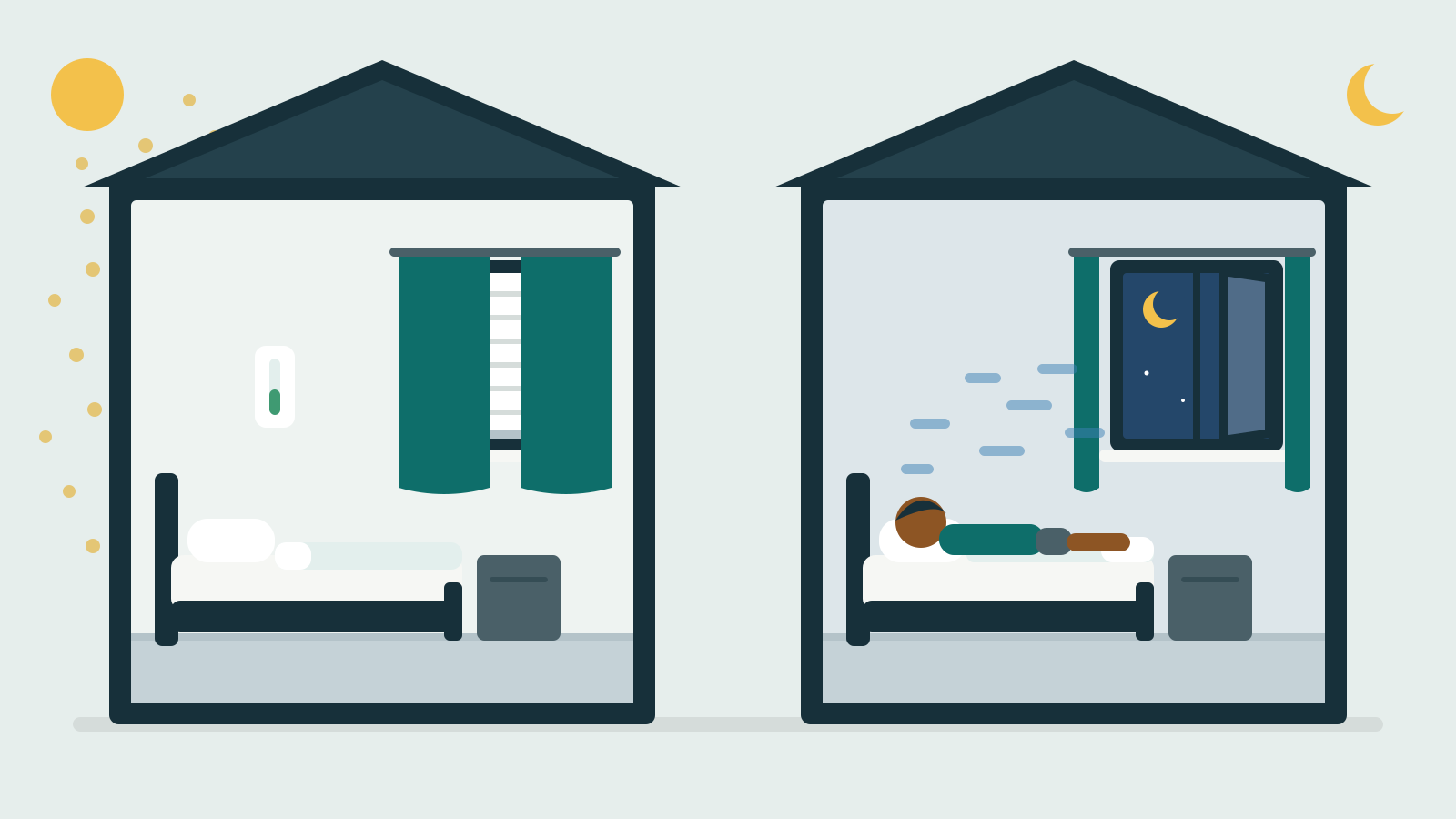
During the day: keep the heat out
Sun shining through the glass and warm air coming in through open windows both heat a bedroom up. In the day, the aim is to stop both.
- Close the curtains and blinds on any window the sun shines on. NHS advice is to close windows, curtains and blinds during the day. If you have external shutters or shades, close those too.
- Keep the bedroom door shut if the rest of the house is cooler, so warm air from a sunny landing or loft doesn't drift in.
- Switch off lights, chargers and screens in the bedroom when you aren't using them. Everything electrical gives off some heat.
In the evening and overnight: let cooler air in
UKHSA advises opening windows, if it is safe to, when the air feels cooler outside than inside, for example at night, and trying to get air flowing through your home.
- Wait until it's cooler outside. In a long hot spell that may not be until late evening. Opening up while it's still hotter outside lets more heat in.
- Open windows on opposite sides of the house, and the doors between them, so air can flow through instead of sitting in one room.
- Put a fan near the open bedroom window, blowing into the room, to help pull the cooler air in.
- Close up again in the morning before the sun gets onto the glass and the outside air warms up.
Think about safety before leaving windows open at night: ground-floor windows, and windows young children can reach. If a window can't safely stay open, open it while you're in the room in the evening and close it before you sleep.
Using a fan well
The NHS and UKHSA both say electric fans can help if the temperature is below 35°C. UKHSA also advises not to aim the fan directly at your body, as this can lead to dehydration. Point it across the room or the bed rather than straight at you.
A fan only moves air. It makes you feel cooler but doesn't lower the temperature of the room, so switch it off when the room is empty. A fan is cheap to run; the running costs page has the figures, and our guide to the best fan for a bedroom compares them by noise.
If the room stays too hot to sleep in night after night, an air conditioner is the appliance that brings the room temperature down. Air conditioner or fan explains the difference.
Sleeping when the night stays hot
- Sleep in the coolest room you can. UKHSA suggests moving to a cooler part of the house, especially for sleeping. Upstairs rooms and loft rooms usually get hottest, so a downstairs room may be better for a few nights.
- Have a cool shower before bed, or put cool water on your skin or clothes. Both are in the NHS advice for cooling yourself down.
- Drink enough. The NHS advises drinking extra fluids and avoiding alcohol, caffeine and hot drinks in hot weather. Keep water by the bed.
- Use lighter bedding. Swap the duvet for a sheet, and keep a light cover nearby in case the room cools down towards morning.
Who is most at risk
Hot weather can affect anyone, but the NHS says some people are more vulnerable, including:
- older people, especially those aged 65 and over
- babies and children aged 5 and under
- pregnant people
- people with serious long-term conditions, such as heart or breathing problems, kidney disease, dementia, diabetes or Parkinson's
- people who live alone and may struggle to look after themselves
- people on several medicines, or medicines that make them more sensitive to heat
- people who are already ill and dehydrated, for example from diarrhoea or vomiting
- people who are homeless, or who work or spend a lot of time outside, especially if they're physically active
- people in manual jobs
The NHS heatwave page has the full list.
The NHS advises checking the temperature of rooms, especially where people at higher risk live and sleep. UKHSA advises checking in on family, friends and neighbours who may be at higher risk to see if they need help.
Heat-health alerts
In England, the UK Health Security Agency (UKHSA) and the Met Office run a heat-health alert system. Its main season is 1 June to 30 September, with alerts outside those dates if hot weather arrives early or late. The levels are:
- Yellow: heat is unlikely to affect most people but could affect those who are more vulnerable.
- Amber: the impacts are likely to be felt across the whole health service, and the whole population could be at risk.
- Red: a significant risk to life, even for people who are healthy.
You can see current alerts on the UKHSA weather-health alerts dashboard, or sign up for them by email through GOV.UK. Across the whole UK, the Met Office also issues extreme heat weather warnings. When an alert covers your area, check on anyone you know who is at higher risk.
When to get help
The NHS lists the signs of heat exhaustion as including tiredness, dizziness, headache, feeling or being sick, heavy sweating with pale, clammy skin, cramps in the arms, legs and stomach, a high temperature, being very thirsty and feeling irritable. Move the person somewhere cool, take off extra layers, give them water to drink, and cool their skin with water and fanning. The NHS says they should start to feel better within 30 minutes.
Read the full NHS page on heat exhaustion and heatstroke.
If your home gets dangerously hot
The NHS says you can get help from the environmental health office at your local council if you think a hot home is affecting your health or someone else's. If you rent, they can inspect your home for hazards to health, including excess heat. Find your local council on GOV.UK.
Sources
- NHS: Heatwave, how to cope in hot weather
- NHS: Heat exhaustion and heatstroke
- UKHSA: Beat the heat, staying safe in hot weather
- UKHSA: Heat-health alerting system
- Met Office: Heat alerts explained
Checked 15 October 2026.