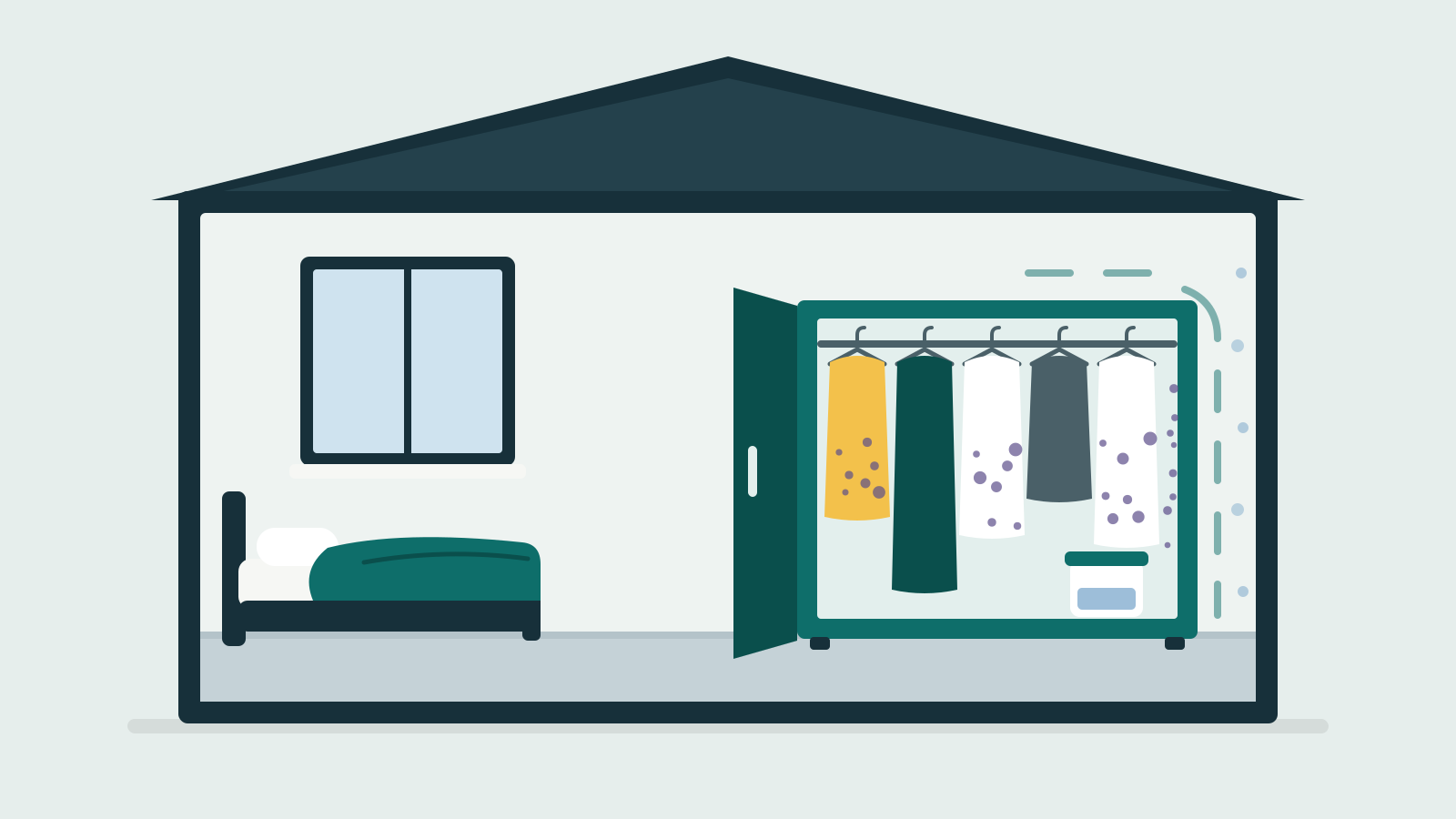
Why clothes go mouldy in a wardrobe
Mould needs damp, still air and something to grow on. A wardrobe can supply all of it. When it stands against an outside wall, the wall behind it is cold, and moist air from the bedroom condenses there. The wardrobe stops air moving, so the damp never dries out. Clothes packed tightly, or put away while still slightly damp, give the mould somewhere to spread.
Bedrooms get humid overnight, from breathing behind a shut door. If washing is dried in the same room, the problem gets worse.
How to get mould out of clothes
- Empty the wardrobe and sort the clothes into mouldy, possibly affected, and fine. Bag the mouldy ones to carry them to the washing machine, without shaking them.
- Wash on the hottest temperature the care label allows. Wash the "possibly affected" pile too, as spores can spread to clothes hanging next to mouldy ones.
- Use a laundry product sold for mould only if the care label allows it. Don't use bleach on coloured fabrics, wool or silk.
- Dry everything fully, outside on a dry day if possible, or with a dehumidifier running. Don't dry them in the bedroom you're trying to keep dry.
- Check each item once dry. Wash again if it still smells musty. Some dark marks may be permanent stains even after the mould has gone.
Take dry-clean-only clothes to a dry cleaner and tell them about the mould. Leather shoes, belts and bags can be wiped with a cloth wrung out in warm soapy water, dried away from direct heat, and then conditioned. Heavily mouldy soft items that can't be washed, such as old cushions or stuffed toys, may be better thrown away.
How to clean the wardrobe
- Wipe every inside surface, including the corners and the floor of the wardrobe, with a mould and mildew remover that suits the material, following the label. Test it on a hidden spot first on painted or veneered wood. Don't vacuum or brush the mould first.
- Wipe off with a damp cloth, then leave the doors open until it is completely dry, with the window open.
- Pull the wardrobe out and look at the wall behind it. If the wall has mould on it too, clean that before you put the wardrobe back. See how to get rid of black mould on walls.
How to keep it from coming back
- Move the wardrobe to an inside wall if the room allows. If it has to stay on an outside wall, leave a gap behind it so air can move and the wall stays warmer.
- Don't pack it full. Space between hangers lets air move around the clothes.
- Put clothes away only when they're bone dry, including the thick seams of jeans and hoodies.
- Open the wardrobe doors for a while most days, and air the bedroom in the morning.
- Keep the bedroom at a steady, low heat in winter, so the walls don't get cold enough for condensation.
- Measure the humidity. If the room stays high, a dehumidifier will dry it faster than ventilation alone. See the humidity range to aim for.
Products that help
Chosen by type and specs. We haven't tested them; the reasons say why each one fits.
For checking the bedroom and wardrobe
TempPro TP50 Hygrometer Thermometer
- Type
- Digital
- Accuracy
- ±3%
- Min/max memory
A cheap digital hygrometer tells you if the room is humid enough for mould before it shows. Its stated accuracy is ±3%, and min/max memory shows how high the humidity got overnight.
For a bedroom that stays damp
MeacoDry ABC 10L
- Type
- Compressor
- Extraction
- 10 litres a day
- Power
- 198W
- Noise
- 36dB
- Tank
- 2.6 litres
- Cost per hour
- 5.2p
- Laundry mode
A small compressor dehumidifier suits a heated bedroom. It draws 198W, among the lowest of the models we list, so it is cheap to run in the day with the door shut. Empty its 2.6 litre tank when it fills.
If you rent, or it keeps coming back
Mould that returns after you've cleaned and changed your routine usually means the wall is too cold or there is damp getting in from outside. Government guidance for England on damp and mould says very small amounts of mould can usually be cleaned off at home, but larger areas should only be dealt with by qualified professionals. If the mould has spread over a large area of the wall, or keeps coming back, get a professional in. If you rent, take photos and report it to your landlord or housing association in writing. Read what your landlord must fix and how to tell the types of damp apart.
Damp and mould can affect health, especially for children, older people and anyone with asthma or a weakened immune system. If you're worried about symptoms, speak to your GP, or use NHS 111 if you think you need medical help right now. The government guidance on the health risks is linked below.
Sources
- GOV.UK: Understanding and addressing the health risks of damp and mould in the home
- Manchester University NHS Foundation Trust: Damp and mould leaflet (December 2025)
- NHS: Can damp and mould affect my health?
- NHS: When to use NHS 111
- UK Health Security Agency: Sodium hypochlorite (bleach), general information
- South Oxfordshire District Council: How do you treat mould affected areas?
Checked 15 October 2026.